Every Sticker Is a Citation: The Archivists Building a Sidewalk-Wide Encyclopedia
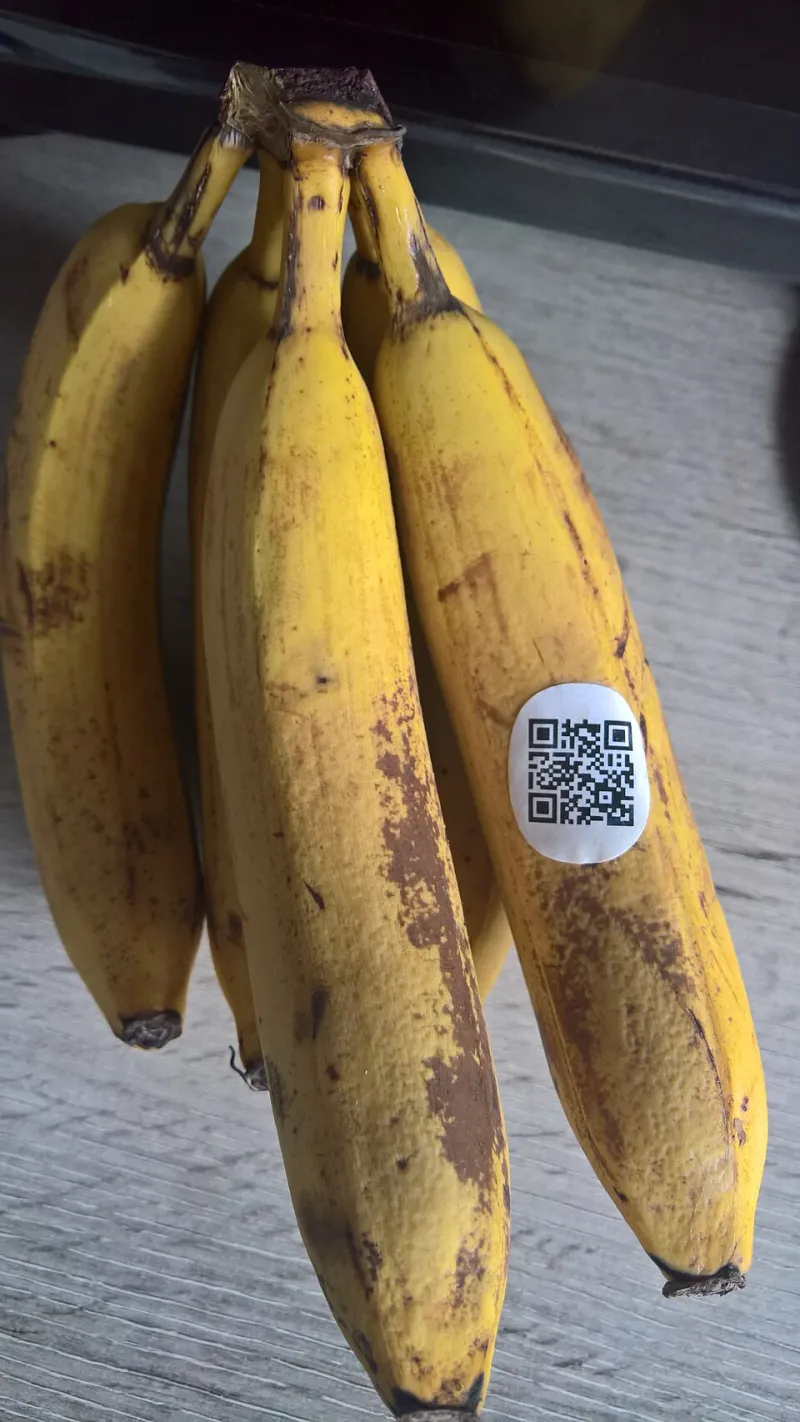
Photo: Donald Trung Quoc Don (Chữ Hán: 徵國單) - Wikimedia Commons - © CC BY-SA 4.0 International.(Want to use this image?)Original publication 📤: --Donald Trung 『徵國單』 (No Fake News 💬) (WikiProject Numismatics 💴) (Articles 📚) 20:36, 19 April 2021 (UTC), CC B
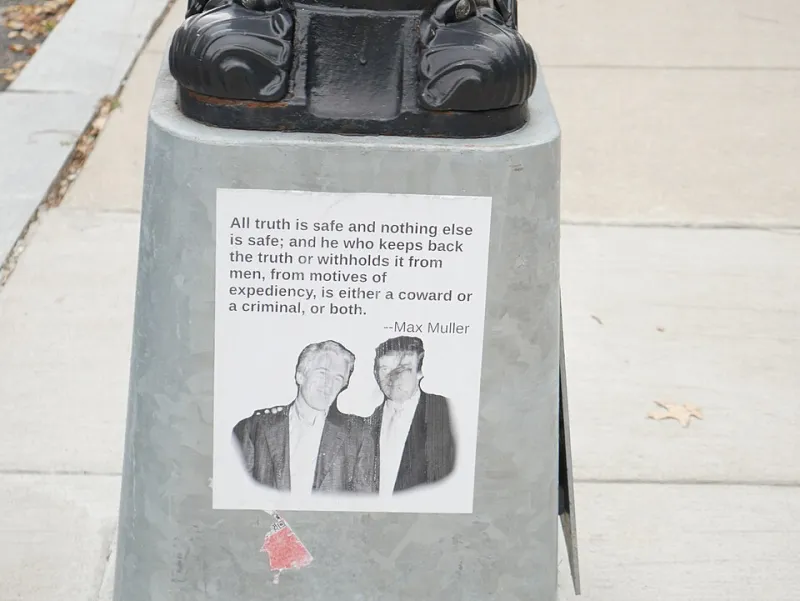
There's a lamppost on a corner in Chicago's Pilsen neighborhood that is, technically speaking, an encyclopedia entry. Scan the sticker stapled to its base and your phone opens a three-paragraph history of the 1986 mural that used to cover the wall across the street—painted over in 2011, remembered by almost nobody who lives there now.
The sticker took four seconds to paste. The article behind it took six weeks to research.
The Library That Fits on a Lamppost
Call it what the people doing it call it: the sidewalk wiki. It's not one organization, not really. It's a loose network of roughly two dozen artists, archivists, and one very committed retired librarian spread across five cities, all operating on the same simple grammar: one sticker equals one entry. No landing pages, no brand funnels, no email capture. Just a plain, well-sourced piece of writing about the exact spot where you're standing.
The format borrows more from Wikipedia than from graffiti. Entries have citations. Entries get revised. There's a shared style guide, passed around as a PDF, that bans first-person voice, promotional language, and—this rule is underlined twice—anything that could be read as an ad.
"We're not decorating the street," says one of the Chicago contributors, who asked to go by her paste name, Marginalia. "We're footnoting it. The city wrote the text. We're just adding the citations where nobody can see them."
Paste Now, Edit Later
The mechanics are deliberately boring. A contributor picks a site—a demolished theater, a union hall, the corner where a famous piece stood for eleven days in 2003—researches it, writes the entry, and hosts it on a bare-bones page that costs pennies a year. Then comes the sticker: weatherproof vinyl, QR code, a small typographic label that reads like a Dewey decimal call number.
What's interesting is the maintenance model. When a source is corrected or a story gets challenged, the entry gets updated online, and the sticker—unlike the internet—doesn't change at all. The physical layer stays static while the knowledge behind it keeps moving. It's the exact inverse of how most of us experience the web.
The network doesn't coordinate centrally. There's no app. If two contributors disagree about a fact, they argue in a group chat and whoever has the better citation wins. It is, genuinely, a wiki—with all the petty edit wars that implies, just conducted over vinyl and utility poles.
Do People Actually Scan This Stuff?
Short answer: yes, but not the way you'd expect.
We watched a Pilsen corner for two afternoons. Roughly one in eight passersby stopped to scan. Almost nobody read the whole entry standing up—people skimmed the first paragraph, took a photo of the wall, and walked on. But the scan data (the pages are untracked; we counted clicks on a shared counter) suggests people return to entries later, often from home, often at 11 p.m.
The most-scanned entry in the network isn't a mural history. It's a three-hundred-word piece about a demolished 1920s bowling alley in Detroit, written by the librarian, that ends with the floor plan of the building. People have emailed the contributor asking for tours. There are no tours. It's a bowling alley that's been gone for fifty years.
That's the tell. This isn't about convenience—it's about the strange authority of encountering knowledge in place. A Wikipedia article about your block is trivia. A sticker on your block is a claim, physically asserted, that this spot matters.
Can the Street Out-Edit the Internet?
Here's the part we keep turning over. The internet is infinite and therefore useless at curation; the street is brutally finite. A contributor can only paste so many stickers, so every entry is a judgment call—someone decided this corner, out of all corners, deserved a footnote.
That's a kind of editing the algorithm can't do. It's slow, local, and accountable to a neighborhood that will absolutely notice if you get it wrong. Marginalia told us about an entry she corrected twice after a retired steelworker left notes taped under the sticker disputing her dates. He was right both times. He's a contributor now.
The sidewalk wiki won't replace anything. It's too small, too slow, too weird. But as a proof of concept, it's hard to argue with: a physical encyclopedia, growing one lamppost at a time, edited by the people who live inside its coverage area.
The internet never had a wall to paste its sources onto. The street does.