Paste, Scan, Vanish: The Artists Hiding Entire Websites Under Street Posters
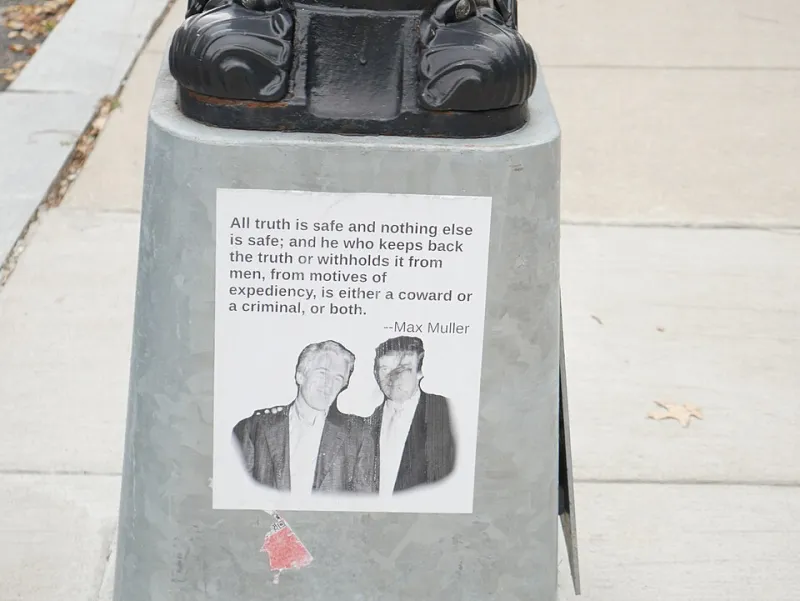
Photo: Sizzlipedia, CC BY-SA 4.0, via Wikimedia Commons
There's a poster on a plywood construction barrier in Bushwick that looks like nothing. Faded grayscale, a face dissolving into static. But hold your phone up to it and the wall wakes up — a video starts playing, shot from the exact spot where the poster now hangs, three winters ago.
The artist, who goes by a handle and nothing else, calls this "leaving a trapdoor." Cities call it vandalism. Abatement crews call it Tuesday.
The Paste-Up Got a Software Update
Wheatpaste has always been a medium of ephemerality. Rain eats it. City workers steam it off. The average poster's lifespan in a high-traffic corridor is measured in days, sometimes hours. So a growing number of American street artists have started asking a practical question: if the paper is doomed, why not bury something underneath it that survives?
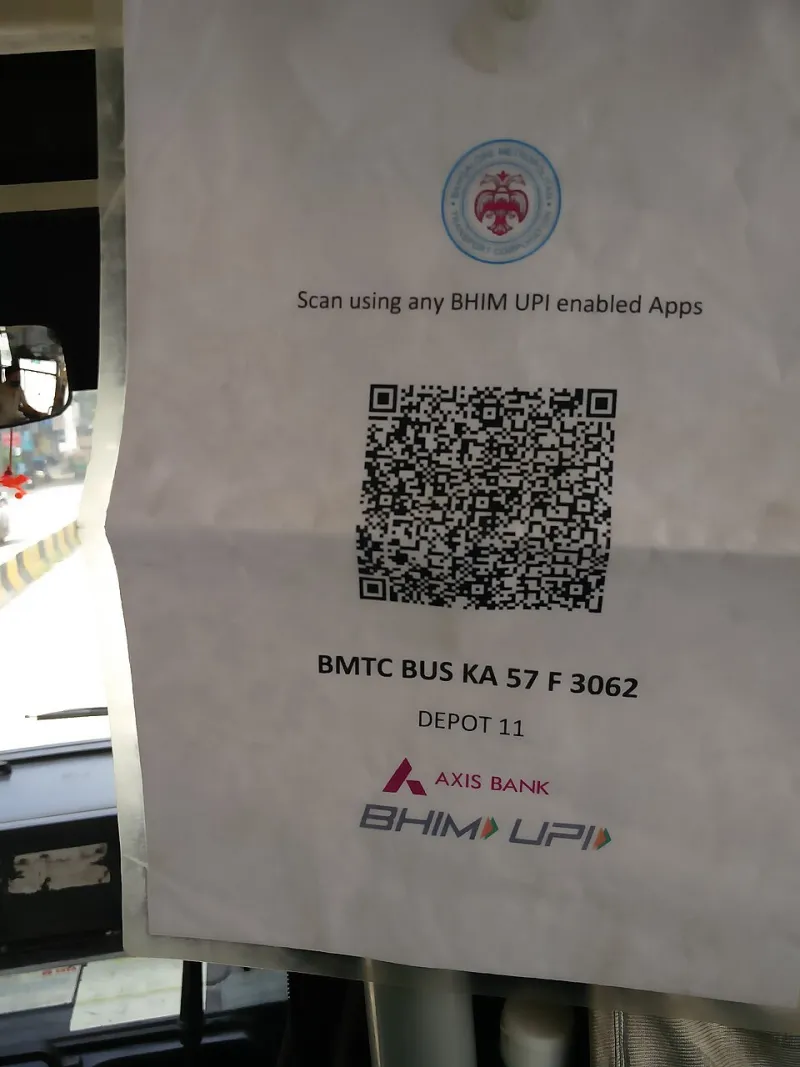
The answer, increasingly, is a digital layer. QR codes screen-printed into the artwork itself. NFC sticker chips no bigger than a dime, tucked behind the paper. AR image triggers that fire only when a camera recognizes the exact composition of the piece. The physical poster is the packaging. The real work lives on a server.
"The city can buff my wall in forty minutes," one Los Angeles-based paste-up artist told us over Signal, naturally. "They can't buff a URL."
Cat and Mouse, Now With Analytics
Graffiti abatement crews aren't slow on the uptake. In Philadelphia and Chicago — cities with aggressive, well-funded anti-graffiti programs — workers have started photographing suspicious posters before removal, flagging anything with scannable codes. Some contractors now treat QR-embedded wheatpaste as a priority removal, on the theory that the digital layer makes a piece more persistent, more intentional, more prosecutable.
The artists have adapted in turn. Codes get integrated so seamlessly into the design that they read as texture. Some artists rotate destination URLs, so the paper on the wall is just an address label pointing to a moving target. A few have gone fully analog-adjacent, embedding NFC chips that do nothing but open a one-line text file. A poem. A timestamp. A middle finger, occasionally.
The result is a strange new arms race where the stakes are, technically, invisible.
Does the Digital Layer Make It More Durable — or More Disposable?
Here's the uncomfortable paradox: the same technology that lets a dead poster keep living also makes the whole practice easier to delete. A QR code is a single point of failure. Kill the hosting, and every poster pointing to it becomes blank paper overnight. Link rot is the new buff.
Some artists embrace this. One Chicago collective we spoke with builds pieces designed to die — the link expires in thirty days, and the work genuinely ceases to exist. It's ephemerality squared: the wall takes the poster, and the internet takes the link.
Others see permanence as the whole point. A physical mural can be painted over, but a well-archived digital layer — video, audio, the story of where the piece hung — becomes documentation that outlives every abatement crew. In that reading, the QR-embedded poster isn't street art with a gimmick. It's street art with a backup.
The Tap Test
Walk any American downtown and start tapping. Most codes on posters are ads, or phishing, or nothing. But every so often you hit one that opens a photo gallery of forty pieces scattered across five states, or an audio walking tour narrated by someone who's clearly been chased by cops on that exact corner.
That's when the medium clicks. The poster was never the art. It was the doorbell.
Whether cities figure out how to regulate a doorbell is an open question. You can fine someone for a poster. Good luck fining them for what happens when you scan it.