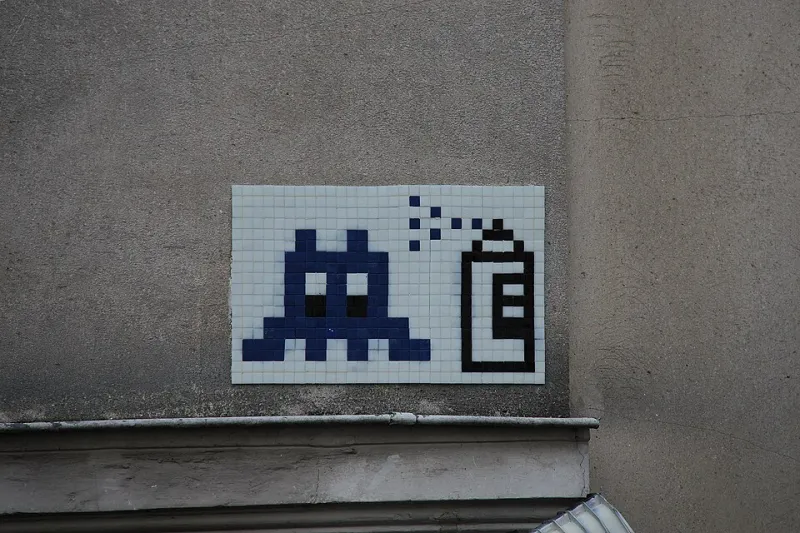
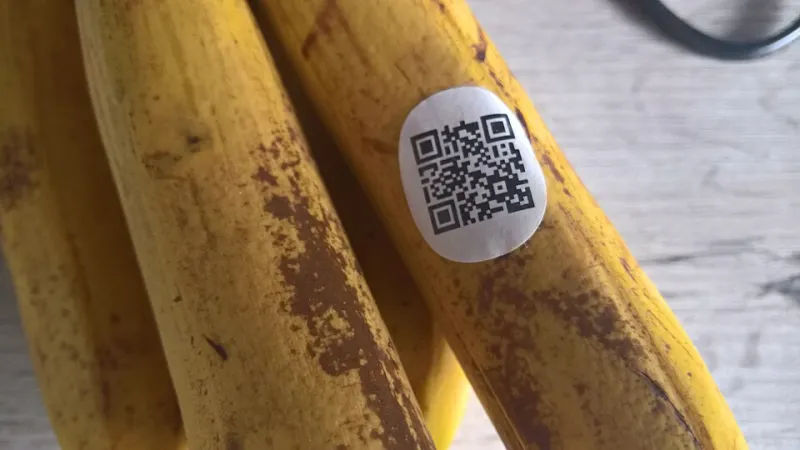
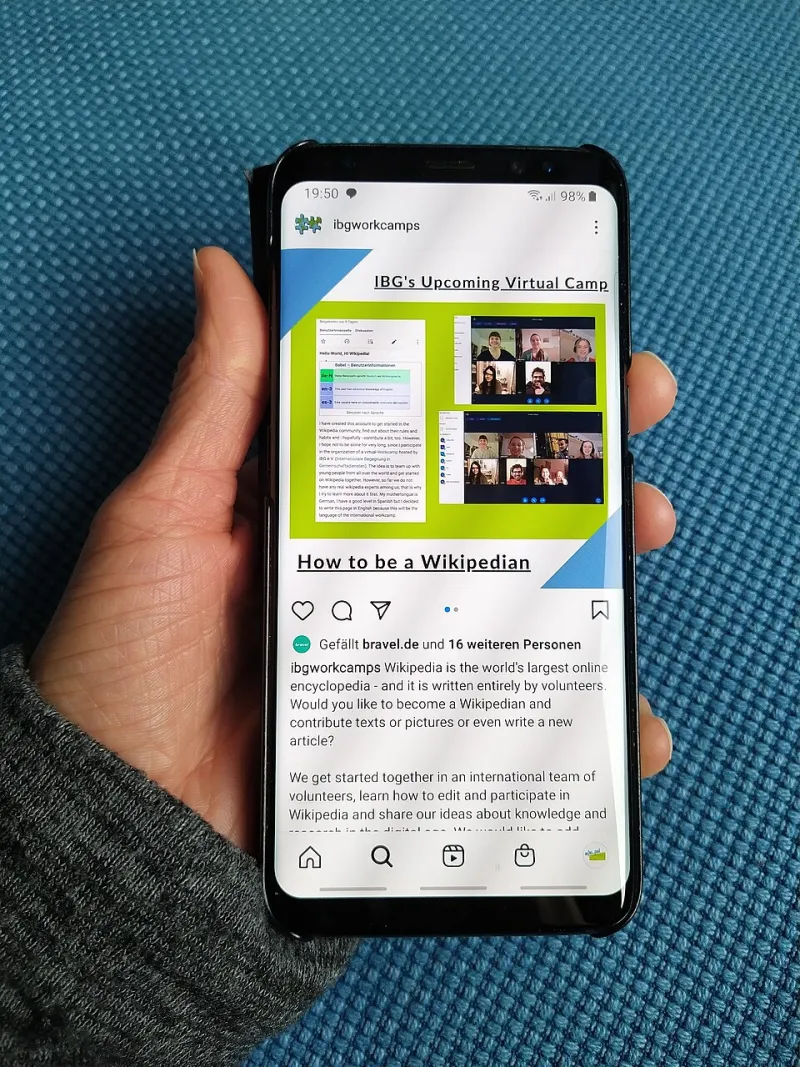
Scan-to-Buy on the Bodega Wall: How the Mural Became a Checkout Page
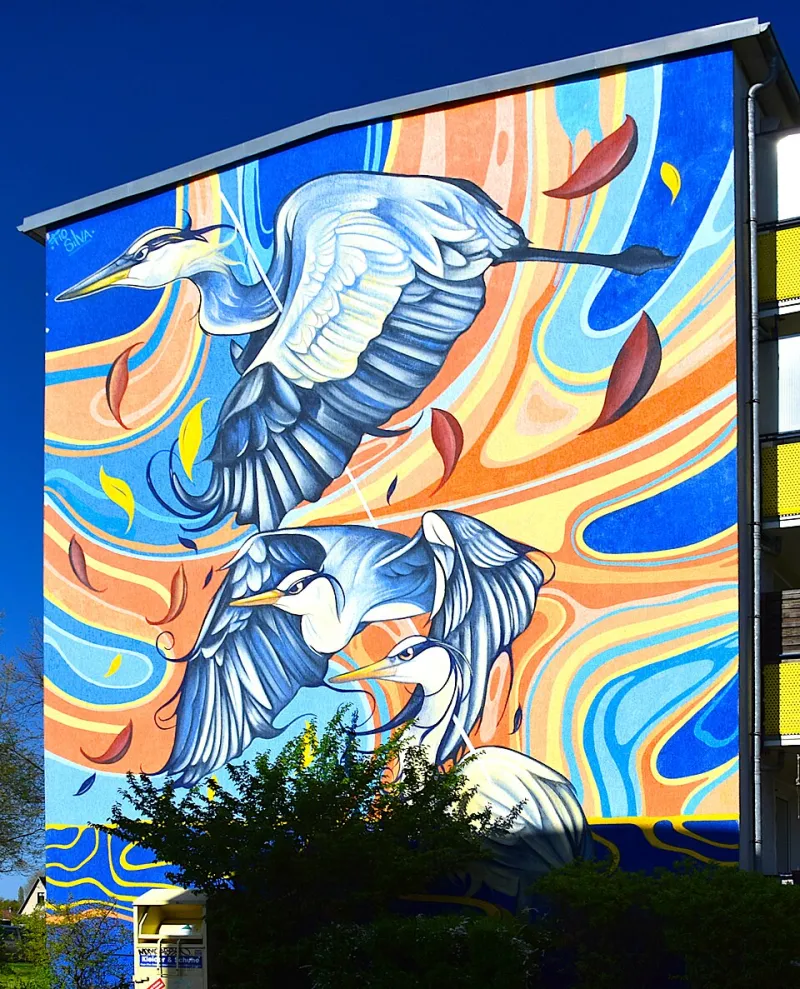
Photo: Singlespeedfahrer, CC0, via Wikimedia Commons
Let's get the take out of the way up front: if a mural doesn't work without downloading something, it isn't street art. It's an out-of-home ad that figured out graffiti looks cooler in the case study deck.
We've been watching this spread for about eighteen months, and the pattern is now unmistakable. A 'community mural' appears on the side of a building. It's gorgeous—genuinely, often. Tasteful local references, a real artist's hand, maybe even a paid commission. Then you notice the small code tucked into the corner, and you scan it, and instead of a story about the neighborhood you get a splash screen, an app store redirect, and a brand's onboarding flow.
The wall is no longer the work. The wall is the top of the funnel.
The Difference Between Vanishing and Tracking
Here's the distinction that matters, and it's not about technology—it's about who the technology serves.
Street culture has always used whatever's available to stay one step ahead of the buff and the cops. Projection bombing, paste-ups that dissolve in rain, stickers that move every night—this is evasion tech, and it's glorious. The artist uses the tool to be harder to find, to leave less trace, to make the work exist on their terms. The tool protects the artist from power.
App-locked murals invert that relationship completely. The scan doesn't protect anybody; it identifies you. Your device, your location, your dwell time, your conversion. The tool protects the brand from you. The wall becomes a sensor, and every person who stops to look becomes a metric in a Q3 report.
Same code on the sticker. Opposite politics. If you can't tell the difference, that's exactly what the media budget is counting on.
'Community Murals' With Conversion Goals
The rhetoric around these campaigns is worth reading closely, because it's doing a lot of load-bearing work. 'Activating the neighborhood.' 'Bridging physical and digital.' 'Celebrating local culture through immersive experiences.'
What almost never appears in the press release: what happens to the data. Who owns the scan records. Whether the artist knew their work would be wired to a retargeting pixel. We've talked to muralists who took these commissions and found out after install that scanning the piece dropped users into a marketing automation sequence. Some were furious. Some shrugged. The shrugs are the part that worries us.
And look—we get the economics. Artists need money, brands have money, and a mural commission is real money compared to the exposure-and-vibes deals most street artists are offered. We're not blaming the painter. We're blaming the structure that makes a tracking pixel the price of a wall.
The Case for Analog First
Grafedia exists because we believe the street and the network can talk to each other without the network turning the street into inventory. But that only works under an ethic, and we think it's time to state it plainly:
The scan should give, never take. If someone taps your wall, they should walk away with something—a story, an archive, a map, a laugh. Not a cookie, not a download, not a drip campaign.
No app required. Ever. If your piece needs a 200-megabyte download to be understood, your piece didn't finish its job on the wall.
The viewer stays anonymous by default. No logins, no accounts, no 'sign in to continue.' The street doesn't card people.
The artist controls the link, not the sponsor. If there's a code on your mural, you decide where it goes. If you don't, it's not your mural.
None of this is anti-technology. Some of the best work we've covered—the vanishing projections, the poster-h buried websites, the sticker archives—is deeply technical. The difference is direction: those pieces use the network to push something out into the street. The app-locked mural pulls something out of you.
Read the Room, Then Read the Code
The crew watching this space should be clear-eyed: every scannable surface is a negotiation about who the wall belongs to. The brands have budgets and case studies. What we have is the culture, and a simple test anyone can run on the sidewalk:
Scan it. If what loads respects you—an archive, a story, an artist's own site—the wall won. If what loads wants your email, your location, and your loyalty program number, you just walked past a checkout page wearing a mural costume.
Paint for the street. Link for the street. The funnel can find its own wall.