Scan Me: What Actually Happens When You Tap a Mural
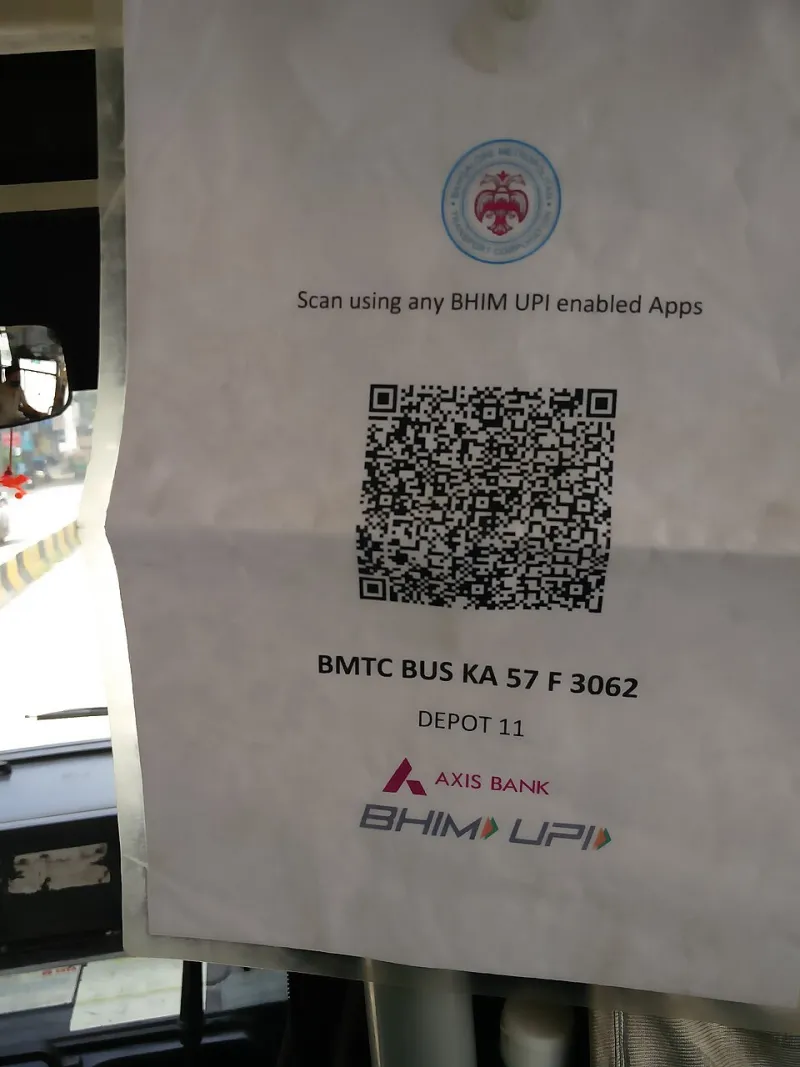
Photo: Mallikarjunasj, CC0, via Wikimedia Commons
There's a moment of hesitation that happens every time. You're standing in front of a mural — maybe a six-foot face on a brick wall in Eastern Market — and there, tucked into the corner of the piece, is a small black-and-white square. A QR code, printed like a tag. Your thumb hovers. Is this art? An ad? A scam?
We hovered a lot over the past few weeks. Then we tapped.
The Wall With a Hyperlink
Embedded links in street art aren't new — artists have been wheatpasting URLs and phone numbers since the early days of net art. But the current wave feels different. Cheap NFC stickers, free QR generators, and phones that scan natively mean any writer with a ladder and a laptop can make a wall interactive.
In Los Angeles, a muralist who goes by Riko Vale (he asked us to use the tag, not the legal name) has been embedding QR codes into his portraits of neighborhood elders for two years. Scan one and you land on a SoundCloud page: oral histories recorded with the person in the painting.
"The wall is the thumbnail," Vale told us over the phone. "The story lives online. I'm not trying to sell you sneakers. I'm trying to make you listen to Miss Dorothy talk about 1965."
That's the idealistic version. It's real, and it's moving — but it's not the whole picture.
Follow the Tap
We catalogued every scannable piece we could find across three cities: 41 codes, 9 NFC chips, and a handful of AR triggers that only fire through apps like Artivive. The destinations broke down roughly like this:
- 12 linked to artist portfolios or merch stores
- 9 linked to music — mixtapes, unreleased tracks, a QR-bombing campaign by a Detroit rapper that replaced every tag in a four-block radius with a snippet of his album
- 7 linked to donation pages or mutual aid funds
- 6 linked to brand pages, promo codes, or "exclusive drops"
- The rest were dead links, which is its own kind of street-art archaeology
That brand category is where things get tense. One wheatpaste in Brooklyn — a gorgeous, hand-pulled print of a collaged skyline — scanned to a landing page for a hard seltzer. The artist's signature was nowhere on the wall. We reached out; nobody answered. It might have been a sanctioned piece, might have been guerrilla marketing dressed in street clothes. On the street, you can't always tell the difference, and that ambiguity is exactly what some advertisers are paying for.
Is the Street Just Another Funnel?
Critics of the trend call it "QR-washing" — borrowing the credibility of graffiti culture to launder commerce. There's a legitimate worry here. Street art's power has always come from being uncommodified, or at least commodified on the artist's own terms. A wall that pushes you toward a checkout page flips that relationship.
But the artists we talked to mostly shrugged. "Every gallery show has a price list," said Vale. "At least when I embed a link, I control where it goes."
Others are more deliberate. A collective in Detroit we'll call the Underline Crew embeds codes that link to rotating content — one week a zine PDF, the next week a map of other works nearby. The link is part of the piece, not an exit from it.
Dead Links and Ephemeral Art
Here's the thing nobody warns you about: links rot faster than paint. QR codes fade under sun, get buffed, get pasted over. Of the 41 codes we scanned, seven led nowhere. A mural in Bushwick pointed to a domain that now hosts a crypto casino.
There's something almost poetic about it — street art that disappears twice, once physically and once digitally. Some artists lean in. Vale told us he sometimes lets old links die on purpose. "The mural outlives the internet page. That's the joke."
Keep Your Phone Out
Whether the street is becoming an ad channel or an extension cable for art depends entirely on who's holding the spray can — and who's paying for the domain on the other side of the tap. Our advice: scan everything, and pay attention to where you land. The interesting stuff isn't the code. It's what somebody decided was worth hiding behind it.
Got a scannable piece in your neighborhood? Send us the wall and where it leads. We're keeping the map open.