Dead Link on a Living Wall: The Artists Rescuing Augmented Reality From the App Graveyard
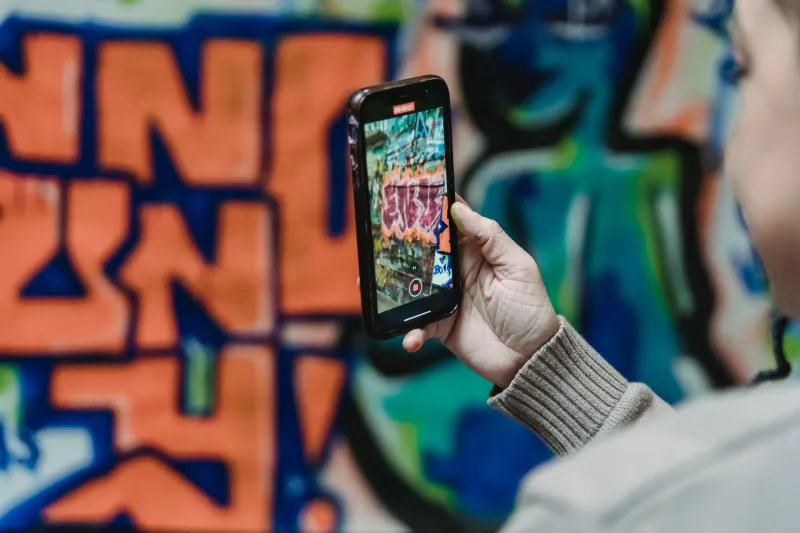
The mural on the corner of 22nd and Bartlett in Phoenix still looks perfect. Cacti in impossible colors, a roadrunner rendered in spray paint so crisp it hums. Pull out your phone and open the app, though, and you get a spinner. Then an error. Then nothing.
The artist, a Tucson transplant named Renata Quiroz, painted the wall in 2022 as a two-layer piece: the physical mural anyone can see, and an AR layer — animated monsoons, a thunderbird that unfolds its wings across the whole building — visible only through an app built by a startup called Layerframe. Layerframe shut down last spring. Nobody bought the servers. The thunderbird is technically still there, floating in a data center nobody's paying for, over a wall that now belongs to a new owner who'd like the loading icon to stop appearing on his property, please.
Quiroz's story isn't rare. It's the default.
The Half-Life of a Digital Layer
A traditional mural degrades slowly. Sun bleaches it, tags creep up its edges, and eventually somebody paints over it — but you can watch it happen. An AR mural has a different failure mode. It works perfectly on a Tuesday and is gone by Thursday, killed by a lapsed domain, an app removed from the App Store, or a startup that pivoted to enterprise logistics.
The cruel math: most AR tooling right now runs through third-party platforms. Artists build on whatever's cheap or free, the way early street writers painted on whatever rolled through the yard. And when the platform dies, the overlay dies with it. There's no wrecking ball, no permission slip, no documentation. Just a wall that used to do something and doesn't anymore.
The Migration Crews
A loose network of artists and developers has started doing something about it. Call them migration crews — small teams that treat a dead AR layer like a fresco about to be demoed. They reverse-engineer old overlay files, rebuild animations on open-source frameworks like 8th Wall alternatives and WebAR pipelines, and re-anchor the digital art to the physical wall using nothing but photos taken before the original app went dark.
Quiroz got her thunderbird back this way. A developer in Denver who goes by Migs rebuilt the animation from screen recordings a fan had posted to TikTok — the only surviving footage of the piece in motion. The rebuilt version now runs through a web browser instead of an app, which means no company has to stay alive for the art to keep working. No download, no store approval, no middleman to bankrupt.
"The first version belonged to Layerframe whether I liked it or not," Quiroz told us over the phone, still slightly out of breath from repainting a section of the physical wall that had been tagged. "This version belongs to the wall."
Ghost Hunters for Invisible Art
Not every piece can be saved. And that's where a stranger subculture comes in: people documenting AR layers that no phone can render anymore.
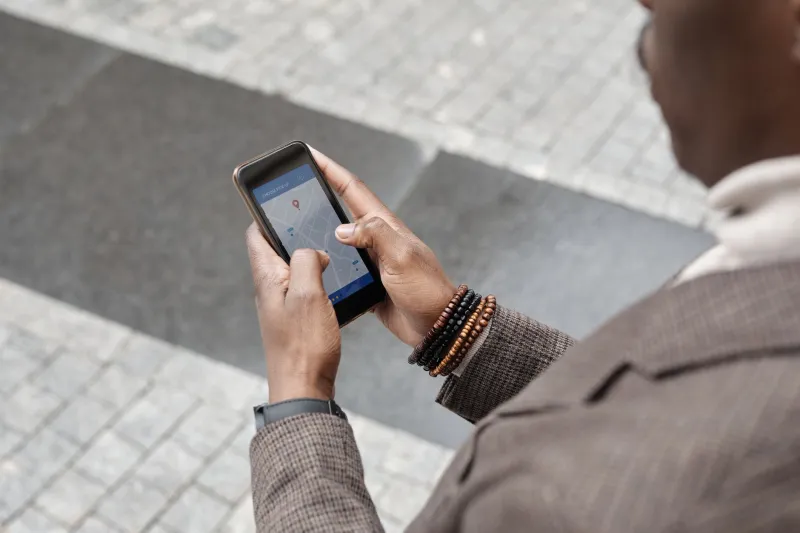
They call the defunct overlays ghosts. The hunt looks like this — find an old press release or Instagram post hyping an "interactive mural experience," visit the wall, hold up a phone running whatever emulator or archived APK still works, and try to coax the dead layer back for one screenshot. The results get posted to a small but devoted archive, a museum of art that exists only as evidence.
One hunter in Chicago showed us a folder of two hundred dead overlays from across the Midwest. Murals in Detroit, Milwaukee, St. Louis. Each entry has a photo of the wall, a screenshot of the error message, and — when they got lucky — a grainy capture of the art mid-animation, rescued from somebody's story highlights.
"It's the same impulse as photographing freight graffiti before the car gets repainted," they said. "Except the boxcar is a server that already got auctioned off."
Who Owns the Second Life?
Here's the question nobody's settled: when a startup builds the AR layer over an artist's mural, and the startup dies, who inherits the overlay? The artist who painted the wall? The building owner? The company's creditors, who now technically hold the assets?
Most artist contracts were one page and vague. Layerframe's terms, like many platforms of that era, granted the company broad rights to "content created through the service" — which arguably included Quiroz's thunderbird. The company's assets were sold in a bankruptcy lot. Nobody involved can say for sure whether the animation changed hands, and the buyer, a data firm, has never responded to inquiries.
Some artists are writing their own terms now: the overlay is licensed, not assigned, and dies with the platform. Others are skipping proprietary tools entirely and building on open standards, betting that the only AR that survives is AR nobody owns.
Paint It Like It Might Outlive You
The lesson filtering through the community has a familiar shape. Freight writers learned to paint for the yard, not the gallery. Muralists learned to seal their walls against the sun. The AR generation is learning to build for the browser, not the platform — to make the digital layer as unownable, portable, and stubborn as a handstyle thrown on a boxcar.
Back on 22nd and Bartlett, the thunderbird loads in about four seconds now, directly in Safari, no app required. Kids on the sidewalk hold up their phones and the wings unfold across the whole facade, same as before.
Quiroz is already thinking about the next wall. She'll paint it the same way she painted this one — but the digital half, she says, will live on a domain she owns, on servers she pays for, in a format any phone can read.
"Walls outlast landlords," she said. "The art should outlast the app."